

Which truck has the smarter trailering tech for Meridian, ID — the 2026 Toyota Tundra or the 2026 Chevrolet Silverado 1500?
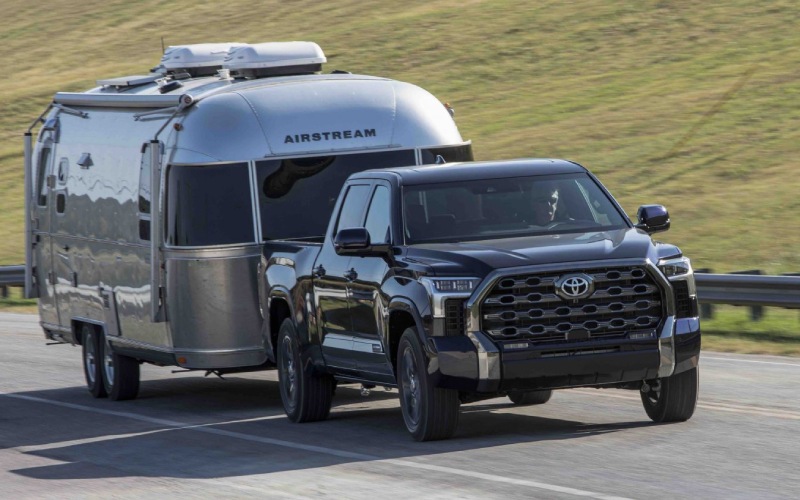
Edmark Toyota – Which truck has the smarter trailering tech for Meridian, ID — the 2026 Toyota Tundra or the 2026 Chevrolet Silverado 1500?
When shoppers compare these two heavy hitters, one question rises to the top: Which truck makes towing easier, more confident, and less stressful day after day? Smart trailering tech is more than a spec sheet brag — it is the difference between backing straight down a tight ramp on the first try and sawing the wheel for five minutes while a line forms behind you. Here is a focused, real-world look at how the 2026 Toyota Tundra and the 2026 Chevrolet Silverado 1500 approach trailering, from hitch-up to highway miles and back again.
What matters most when you tow around town and beyond
Local towing isn’t only about maximum numbers. In and around Meridian, you might hitch up a landscape trailer before sunrise, run to a job off Eagle Road, and then connect a small camper for a weekend in the mountains. The moments that cause stress are low-speed and close-quarters — loading docks with chain-link on both sides, campground loops lined by trees, or a busy boat ramp where you need to nail the angle on the first shot. That is where the camera coverage, backup guidance, controller integration, and real-time information actually earn their keep.
Camera coverage and on-screen guidance
Tundra’s available Panoramic View Monitor assembles a 360-degree top-down view, making it easier to spot obstacles near the front bumper and the trailer corners. Pair that with Trailer Backup Guide with Straight Path Assist, and you have a system that helps you keep the trailer pointed where you intend as you reverse — particularly handy when you are threading between posts or edging past a curb to align with a narrow driveway apron.
Silverado answers with up to 14 available camera views, including hitch and bed perspectives, plus available HD Surround Vision that provides a 360-degree look around the truck. It is comprehensive and helpful, especially when you want to check a blind spot near the trailer or verify clearance while merging. Silverado’s expansive camera suite favors situational awareness at speed and in traffic; Tundra’s guidance advantage shows up most clearly during the delicate, low-speed maneuvers that turn nerves into muscle memory.
Hitching, controllers, and integrated towing features
Both trucks make hitching and controller setup straightforward. Tundra offers an Integrated Trailer Brake Controller and clear trailer settings accessible through its available 12.3-in. digital gauge cluster and the 14-in. multimedia display. Driver-selectable TOW/HAUL modes and the available i-FORCE MAX hybrid’s abundant torque reduce the need for deep throttle to get rolling, which helps when you are easing into traffic or climbing a short grade right after a stop.
Silverado’s available In-Vehicle Trailering App lets you set up trailer profiles, run checklists, and monitor connections, and its available Trailering Package provides a solid baseline of hardware. If your use case includes frequent highway slogs to distant jobs or campsites, the available Super Cruise® with trailering on select trims is a unique perk, taking some strain off your shoulders on compatible roads while still requiring your attention.
Stability, confidence, and the way each truck feels with a trailer
The way a truck is sprung and damped changes how it behaves when a trailer starts to push. Tundra’s multi-link rear suspension with coils tracks cleanly over patched asphalt and expansion joints, helping the rear stay planted and the steering stay calm through gusts and grooves. You will notice it when a crosswind picks up on I-84 or when the pavement gets lumpy through an older industrial park. Silverado 1500’s leaf-spring rear is stout and time-tested for payload — great news if you frequently max out the bed — but it can transmit more chatter into the cabin when unladen or with lighter trailers.
Powertrains and the feel off the line
Both trucks are capable towers. Silverado tops out at an available 13,300 lbs., and the Duramax® 3.0L Turbo-Diesel’s 495 lb.-ft. of torque is a strong match for sustained highway towing. Tundra tows up to 12,000 lbs. when properly equipped, and its available i-FORCE MAX hybrid’s 583 lb.-ft. of torque provides that easy, near-instant push you feel as you climb a ramp or inch uphill into a tight storage bay. Fewer revs and less throttle to get moving translate into less drama at low speed — especially welcome when you are backing into a sloped driveway and want the truck to settle and respond precisely.
Which truck is the smarter choice for towing tech?
If hands-free highway driving with a trailer is your top priority, Silverado’s available Super Cruise® deserves a close look on the right trim. If your towing involves tight angles, frequent hitch-ups, and crowded spaces, Tundra’s Trailer Backup Guide with Straight Path Assist, intuitive camera views, and easy-to-read towing data give you a confidence edge where mishaps most often occur. Layer on Tundra’s smooth coil-spring rear suspension and the optional hybrid’s abundant torque, and you get a truck that makes towing feel repeatable, predictable, and calmer for the driver and anyone riding along.
For many shoppers, the final decision comes down to how the tech works in the real world. The best next step is to back a trailer in both trucks and feel the difference. Edmark Toyota can help arrange a hands-on comparison and walk you through feature operation, so you know exactly how each system behaves before you commit.
Frequently Asked Questions:
Does Tundra’s Straight Path Assist replace driver input?
No. It is a guidance aid that helps you maintain a set path while reversing with a trailer. You remain fully responsible for steering, braking, and checking your surroundings, and you should rely on mirrors and camera views in tandem.
How does Silverado 1500’s Super Cruise® work with a trailer?
On select trims and roads, it can manage speed and steering hands-free while towing, within system limits. You still need to pay attention, and you will use the truck’s prompts and alerts to resume control as conditions change.
Which truck is easier to hitch solo?
Both offer helpful hitch views. Tundra’s clear camera overlays and straightforward on-screen prompts make it simple to line up the ball and coupler; Silverado’s camera views and hitch guidance are similarly useful. The difference often comes down to which display and prompts you find most intuitive.
Will a composite bed hold up to daily toolboxes and materials?
Yes. Tundra’s aluminum-reinforced composite resists dents, impacts, and corrosion exceptionally well. Owners who load and unload frequently often appreciate how it looks newer, longer, without needing bedliners or touchups as quickly as exposed steel.
Where can I get a demo of these towing features?
Schedule a visit with a product specialist serving Boise, Meridian, and Nampa for a walk-through of camera views, trailer settings, and backup aids. A short, guided drive with a trailer attached is the fastest way to feel the differences.
0 comment(s) so far on Which truck has the smarter trailering tech for Meridian, ID — the 2026 Toyota Tundra or the 2026 Chevrolet Silverado 1500?